11 Tips for Success in Freelance Journalism
 1. Research the field of freelancing like you are doing by reading this article. There are plenty of articles about how to get started in journalism or how to become a freelance writer or how to be a freelance journalist or making it as a freelance journalist or eleven top tips for successful freelancing. It is a major industry, so learn about it and respect the profession. Get your google on and read until you feel like you could write an article on freelancing yourself.
2. Research publications and their editors.


 Put in time purposively reading potential newspapers, magazines or websites. Read about the background, staff, mission statement, etc. of the publication. Does the publication accept freelance contributions? If so, do your best to explicitly identify who their target audience is. Identify the predominant tone, style and voice of what is published. Is it no-frills, controversial, bloggy, conversational? Is there much humor or color? What topics do they cover? How much is local, regional, national, international? Is there a political agenda? Are they left-leaning, right-leaning or non-partisan? Look online and see if the publication has put out submission guidelines and read them carefully, they are there for a reason. You could write a brilliant, well-researched piece and if it doesn't fit the publication's style you won't stand a chance. If you can't find guidelines, try to find the email address of an editor and ask them how they like to be pitched. Do they prefer to be pitched by phone or email? Do they prefer to receive finished products, or a proposal for article or story idea that they might shoot down, steer, redirect or embrace? When fishing for editor interest, proposals, rather than finished articles, are the industry standard and if you are trying to make a living freelancing and don't want to risk working for free, then proposals are definitely the prudent route. In general, send as detailed a story proposal as you can without
bogging down the pitch. Show the editor you've done your homework (who/what/where/when/why) and that there is a solid story there but don't write a whole piece. Every editor is different, so look for the editor of the section you'd like to be published in and try to learn what that editor prefers. Put in time reading that section with an eye for what kind of stories or angles the editor tends to publish? A good rule of thumb - publications you enjoy reading yourself are likely the most natural matches for your work.
3. Think carefully about what you bring to the table and develop a niche for yourself. While there are perennial favorites that can be run at any time - 'evergreen' stories - like effective workout routines, the best new hotels or traffic (btw, making a conscious effort to learn the lingo is worth your time), building expertise on specific topics is part of the foundation of a career in journalism. Are you an expert on relatively obscure topics like political unrest in Ukraine, education funding, currency crises or the mining industry in South Africa? Do you have language skills that could help you get stories others cannot? Are you living abroad in a place that isn't getting much press attention but should? Pitch on subjects that other reporters are missing that should be covered. And if you don't have any specializations to speak of, get to work developing specializations that will make major media outlets seek you out.

It may be tempting to write opinion pieces. As a beginning freelancer, even if you have special expertise or information, you will likely not get published if you aim for the front page headlines and write about the federal government shutdown, US-Iran negotiations at the UN or what is wrong with the Republican party. Instead, start small and narrow or at least off-the-beaten path. What are locals gossiping about and why? What are people angry or thrilled or confused about? What issues are trending on social media? Try to find good sources for news items that other reporters don't know about yet, that is the definition of 'the scoop' which editors are always looking for. Developing a keen sense of newsworthiness takes time for most of us. Before you pitch, check to see what your potential publisher has already run on the topic and be sure to offer something they haven't already done. Fresh, timely, interesting story ideas are your bread and butter so deliberately developing strategies to generate story ideas (here are some useful do's and don'ts for coming up with story ideas for local reporting), other than just racking your brain (which you'll of course be doing a lot of), is a worthwhile investment.
 4. When cold-pitching, always give the editor a personal introduction. do's and don'ts for your freelancer bio or mini-bio.
You are always trying to get published and to build rapport at the same time. Be friendly and professional and carefully craft and reread your emails before hitting send. Editors are in the business of paying attention to detail. Here are some
5. Pitch more than you can write and be prepared for plenty of rejection. Freelancing is a bit like baseball, even the best strike out a lot and batting .300 puts you in elite company, most freelancers are happy with a 15-20% success rate. Even if you have the perfect story idea, things happen. Maybe another journalist just pitched the same story. Maybe your editor is sick of the topic. Maybe news is about to break that will make your story irrelevant or less important. So pitch multiple story ideas to each editor. If you are cold-pitching and have no rapport to jeopardize, some writers send the same idea to multiple editors and go with whoever bites first. Also add your email address to press release or newsletter listservs for organizations related to your specializations (e.g. government agencies, community councils, local school boards, charities, cultural orgs, think tanks, theater orgs, major supermarket chains, local businesses, trade associations, etc.). You can also usually get the agenda and minutes of local councils at your local library or council office for free or next to nothing. Here is a good guide to pitching. If you are set on big-time outlets, it might be worth investing in a subscription to Media Bistro, which has a great 'How to Pitch' series or sites like Freelance Daily, Journalism Jobs or the Society for Professional Journalists (SPJ) and the SPJ job bank.
6. Grow a network of freelancers, journalists and, most importantly, editors. Take the time to maintain and expand your network. To start, look for freelancers and journalists with similar interests on Twitter and Facebook. Congregate online with other writers on websites with articles on freelancing. If you are able to establish a rapport with other journalists, ask them to introduce you to their editors. Most of your freelance work will come through your connections. The more suggestions you can get for how to tailor your pitch to the preferences of a given editor, the better your chances of getting published. Phone calls with editors are a good way to humanize yourself and improve your chances of getting work (and of not getting screwed over by an unscrupulous or careless editor who doesn't know you from Adam). Even if you are screwed over, as much as you might want to, you will regret bashing any publication or editor on social media, if you need to say something directly to an editor, say it professionally and clearly but publicly bite your tongue.
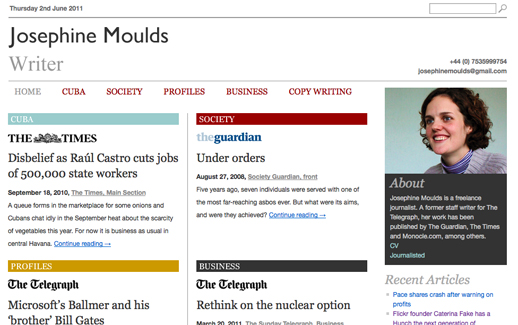
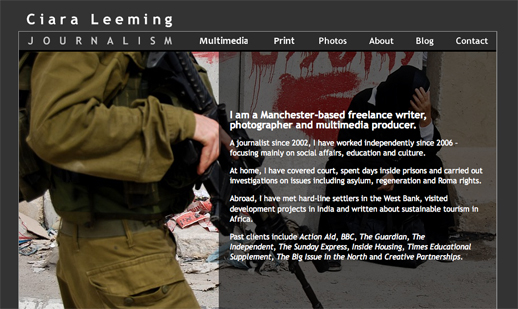
8. Climb the ladder. Depending on your ambition level, you may not be satisfied until your work has been published in the New York Times, Newsweek or the New Yorker. Breaking into a major publication is more art than science and, once again, it is all about your network. Try to find writers who have freelanced for those publications, get editor's contact info and get suggestions on how to design your pitch. Also, keep an eye out for opportunities to meet editors. Some university journalism programs or other organizations host events that many editors come to, a great opportunity to build your network. Facebook freelancer groups organize meetups that help you get your name out there as someone who wants to write and has particular areas of expertise.
9. Share the wealth. If you manage to become a successful freelancer, you probably will get there through the help of many personal connections. Once you've made inroads with a number of publications and editors, it is time to pay it forward and help out those in your former shoes who are still learning the ropes. Talk to friends who are looking for freelance work and hook them up with like-minded editors. Or, if your editor asks you for work and you can't fit it into your schedule, ask a fellow freelancer to take it on. Your friend will probably be grateful for the work and your editor will be happy to have someone on the story. Sooner or later, you're likely to hit a rocky patch with little work. When that happens, the writers you've helped find assignments are likely to return the favor. Freelancers are rare birds without a home and while some may think cutthroat competition will get them ahead, in the long-run the most successful freelancers are usually the ones who share the most and thereby build a network that creates a steady stream of work.

Even when work is thin, successful freelancers are disciplined about keeping regular work hours - and sending at least say 5 emails a day to editors, magazines, media outlets - come hell or highwater. Every freelancer grapples with self-doubt, especially in the first month which typically royally sucks for most novices. Your self-esteem will be kicked around and no one will give a shit. Also keep track of the hours, income (you still have to pay taxes!) and any expenses, you put into each piece and know that your time, energy and work are valuable even when its been rejected multiple times. Here are some more pointers for the financial and legal side of freelancing. You will probably need to learn how to prepare an invoice (stipulating a 30-day payment period is recommended. As frustrating as it may seem, part of freelancing is sometimes persistently and patiently reminding editors and sometimes fighting to make sure publications follow through and pay you what they've agreed to - also be sure to broach the uncomfortable pay issue before you invest a ton of time and effort).

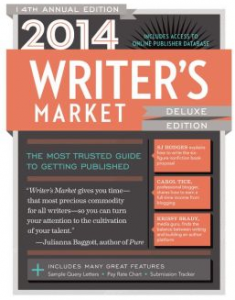 11. Buy the newest Writer's Market Book. Online-writing-jobs.com has a lot of bottom-of-the-barrel work, as does Craigslist, but may be a place to start out and sometimes has under-the-radar gem gigs. Freelancewriting.com and Who Pays Writers (on Twitter too) also list publications you can pitch to. This can also help give you an idea for what the going rates are for articles in given publications (though, again, your network will likely be your best resource for this info).
If one point is to be hammered home it is that there is no substitute for networking, even if you hate it, you gotta do it. Nevertheless, this book includes thousands of publishing opportunities, a wealth of contact and submission information to help writers get their work published and other useful information for those without a developed network.
Check out websites that promote the work of freelance journalists, some of which fund reporting and buy work: Emphasis.Is, Spot.Us, Pitch Me, Media Cooler, Newsmodo, Big World Magazine
For information on writing contests, writing workshops, freelancing, journalist training, basic journalism, investigative reporting, photojournalism or video journalism courses, journalism grants and scholarships, etc. then check out: International Journalists Network (IJN) opportunities page, the National Union for Journalists (UK), and Journalism.co.uk. As with damn near everything on the internet, you'll be surprised by how much is available for free.

If you're overwhelmed, humbled and sobered by this avalanche of information then, don't worry, it just means you get it, freelancing is hard but rewarding work and, if you're talented and committed enough to become really good, can lead to a career as a full-time journalist.
*The above was adapted from many articles but mostly from Beth Winegarner's 6 Tips for Getting Gigs as a Freelance Journalist (Poynter), Silvia Higuera's 7 Tips for Freelance Journalists (Knight Center), Kate Hutchinson's How to be a Freelance Journalist: What I have learned and top tips from experts.


Comments